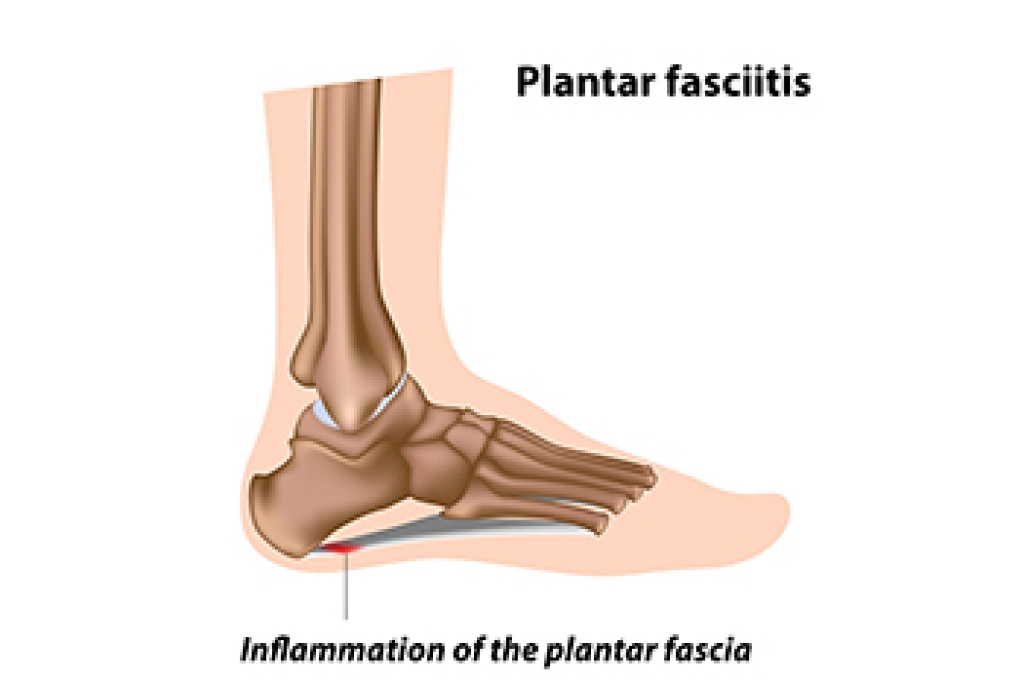
Plantar fasciitis is one of the most common causes of heel pain. It affects individuals who place repetitive stress on the bottom of the foot. It occurs when the plantar fascia, a thick band of connective tissue that supports the arch, becomes irritated or develops micro-tears. This tissue runs from the heel bone to the toes and plays a vital role in maintaining proper foot mechanics. A key concept in understanding this condition is called the windlass mechanism. This describes how the plantar fascia tightens as the toes extend while walking, helping to stabilize the arch and create an efficient push-off phase.
Symptoms of plantar fasciitis typically include sharp heel pain that is most noticeable with the first steps in the morning or after periods of rest. The discomfort may decrease with activity but often returns after prolonged standing or walking. Patients may also report stiffness in the arch, tenderness along the heel, and increased pain after exercise rather than during it. These symptoms are often linked to strain within the plantar fascia and dysfunction in the windlass mechanism, which reduces the foot's ability to absorb and distribute forces effectively.
Several risk factors contribute to the development of plantar fasciitis. Individuals with flat feet or high arches may experience abnormal stress on the plantar fascia. Occupations that require prolonged standing, such as teaching or retail work, can increase strain on the heel. Wearing improper footwear, especially shoes with poor arch support, can further disrupt foot mechanics. Tight calf muscles and limited ankle mobility may also interfere with the windlass mechanism, placing additional tension on the plantar fascia during movement.
It is important to know that plantar fasciitis is both a structural and functional condition that benefits from early attention and proper support. Understanding how the windlass mechanism contributes to foot stability highlights the importance of maintaining flexibility and strength in the lower extremity. If you have symptoms of plantar fasciitis, it is suggested you consult a podiatrist for effective relief and treatment solutions.
Plantar fasciitis can be very painful and inconvenient. If you are experiencing heel pain or symptoms of plantar fasciitis, contact Christopher Jones, DPM from Amarillo Podiatry. Our doctor can provide the care you need to keep you pain-free and on your feet.
What Is Plantar Fasciitis?
Plantar fasciitis is the inflammation of the thick band of tissue that runs along the bottom of your foot, known as the plantar fascia, and causes mild to severe heel pain.
What Causes Plantar Fasciitis?
- Excessive running
- Non-supportive shoes
- Overpronation
- Repeated stretching and tearing of the plantar fascia
How Can It Be Treated?
- Conservative measures – anti-inflammatories, ice packs, stretching exercises, physical therapy, orthotic devices
- Shockwave therapy – sound waves are sent to the affected area to facilitate healing and are usually used for chronic cases of plantar fasciitis
- Surgery – usually only used as a last resort when all else fails. The plantar fascia can be surgically detached from the heel
While very treatable, plantar fasciitis is definitely not something that should be ignored. Especially in severe cases, speaking to your doctor right away is highly recommended to avoid complications and severe heel pain. Your podiatrist can work with you to provide the appropriate treatment options tailored to your condition.
If you have any questions, please feel free to contact our office located in Amarillo, TX . We offer the newest diagnostic and treatment technologies for all your foot care needs.
