
Neuropathy is a condition that can lead to numbness or loss of sensation in the feet, but it can also cause pain. This condition is more likely to develop for those who are diabetic, obese, or with high blood pressure.
Neuropathy is a condition that can lead to numbness or loss of sensation in the feet, but it can also cause pain. This condition is more likely to develop for those who are diabetic, obese, or with high blood pressure.
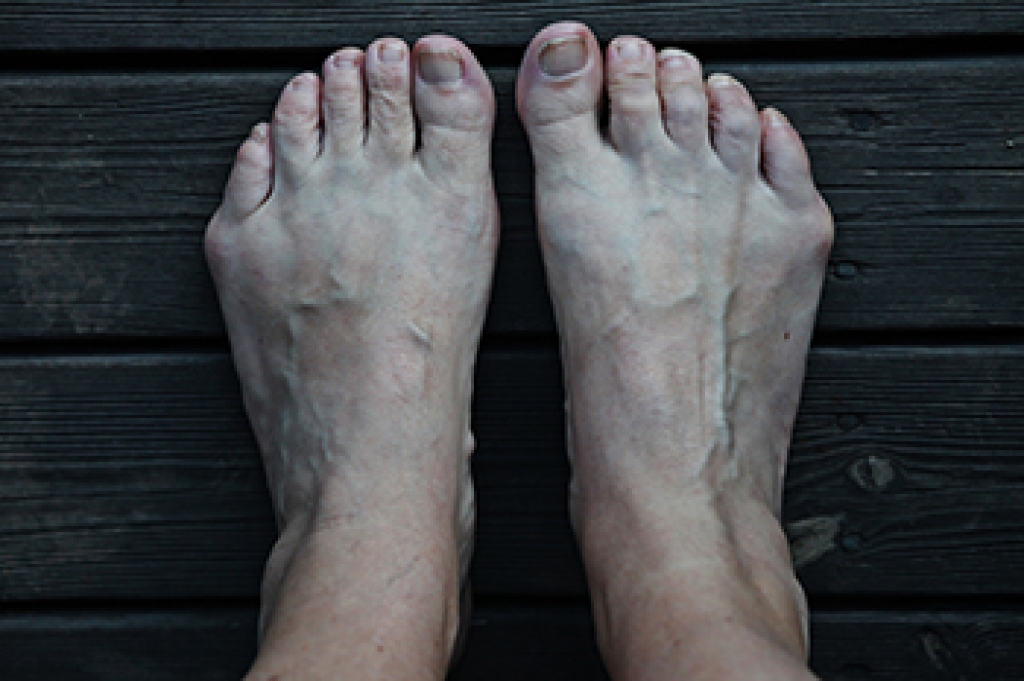
A bunionette is a bony bump on the outside of the foot at the base of the little toe. The bump forms when the fifth metatarsal, the bone behind the little toe, shifts outward or has an unusual shape. The little toe may lean inward. Pressure from shoes can irritate the area and cause redness, swelling, or a painful callus. Some patients feel pain beneath the joint rather than beside it. A podiatrist can determine whether the discomfort comes from a bunionette or another foot problem.
Treatment begins with an examination of the foot. The podiatrist checks the bump, skin, and little-toe joint. Weight-bearing X-rays can show the position and shape of the bones while the patient is standing. These images help the podiatrist select treatment that matches the deformity. Options include padding to reduce rubbing, professional callus care, and custom orthotics to improve pressure distribution. The podiatrist can also recommend shoes with a wide toe box and enough room along the outside of the foot. If swelling is severe, an injection may be considered to reduce inflammation. These measures do not remove the bump, but they can ease pressure and make standing or walking more comfortable.
Surgery can be considered when pain continues despite treatment or when the deformity limits activity. The chosen procedure depends on the location of the bump and the position of the fifth metatarsal. A surgeon may remove excess bone, realign the metatarsal, or correct the little toe. Recovery instructions depend on the procedure and can include protected weight-bearing in a special shoe. Follow-up visits allow the podiatrist to check healing and guide a safe return to regular shoes and activity. Patients should seek prompt care for worsening redness, open skin, or drainage around the bump. If you have a painful bunionette, it is suggested that you schedule an appointment with a podiatrist who can offer effective relief and management solutions.
If you are suffering from bunions, contact Christopher Jones, DPM of Amarillo Podiatry. Our doctor can provide the care you need to keep you pain-free and on your feet.
What Is a Bunion?
A bunion is formed of swollen tissue or an enlargement of boney growth, usually located at the base joint of the toe that connects to the foot. The swelling occurs due to the bones in the big toe shifting inward, which impacts the other toes of the foot. This causes the area around the base of the big toe to become inflamed and painful.
Why Do Bunions Form?
Genetics – Susceptibility to bunions are often hereditary
Stress on the feet – Poorly fitted and uncomfortable footwear that places stress on feet, such as heels, can worsen existing bunions
How Are Bunions Diagnosed?
Podiatrists often perform two tests – blood tests and x-rays – when trying to diagnose bunions, especially in the early stages of development. Blood tests help determine if the foot pain is being caused by something else, such as arthritis, while x-rays provide a clear picture of your bone structure to your provider.
How Are Bunions Treated?
If you have any questions, please feel free to contact our office located in Amarillo, TX . We offer the newest diagnostic and treatment technologies for all your foot care needs.

Big toe pain can make standing and walking difficult. The pain may begin suddenly after an injury or develop gradually. Symptoms include swelling, stiffness, and redness. Some patients feel a dull ache, while others notice sharp or burning pain. Because the big toe carries much of the body's weight, even a small problem can affect balance and movement. Pain that continues or limits activity should not be ignored.
Several problems can cause pain in this area. A bunion forms when the big toe shifts toward the second toe and a bony bump develops at its base. Arthritis can wear down the smooth tissue that protects the joint, leading to pain and reduced motion. Gout causes a sudden attack of intense pain when sharp crystals collect in the joint. Other possible causes include an ingrown toenail, a fracture, or turf toe. Turf toe is a sprain caused when the big toe joint is over-extended. Pressure from wearing tight shoes can also irritate the skin, nail, or joint. The location and timing of the pain provide helpful clues, but different conditions can produce similar symptoms.
A podiatrist can examine the toe, review how the pain started, and check the foot's movement. X-rays or other imaging can reveal a fracture, joint damage, or changes in bone position. Treatment depends on the cause and severity of the problem. A podiatrist may provide padding, recommend better-fitting shoes, or prescribe custom orthotics to improve support. Temporary bracing can protect an injured joint and reduce painful motion. Care for an ingrown toenail can relieve pressure and address infection. Severe joint damage or a deformity may require surgery when other options do not provide relief. Seek prompt care when pain follows an injury or is accompanied by warmth, drainage, or loss of feeling. If you have sharp pain in the big toe, it is suggested that you schedule an appointment with a podiatrist for diagnosis and appropriate treatment.
Toe pain can disrupt your daily activities. If you have any concerns, contact Christopher Jones, DPM of Amarillo Podiatry. Our doctor can provide the care you need to keep you pain-free and on your feet.
What Causes Toe Pain?
Most severe toe pain is caused due to a sports injury, trauma from dropping something heavy on the toe, or bumping into something rigid. Other problems can develop over time for various reasons.
Toe pain can be caused by one or more ailments. The most common include:
When to See a Podiatrist
Diagnosis
In many cases the cause of toe pain is obvious, but in others, a podiatrist may want to use more advanced methods to determine the problem. These can range from simple visual inspections and sensation tests to X-rays and MRI scans. Prior medical history, family medical history, and any recent physical traumatic events will all be taken into consideration for a proper diagnosis.
Treatment
Treatments for toe pain and injuries vary and may include shoe inserts, padding, taping, medicines, injections, and in some cases, surgery. If you believe that you have broken a toe, please see a podiatrist as soon as possible.
If you have any questions please contact our office located in Amarillo, TX . We offer the newest diagnostic and treatment technologies for all your foot and ankle needs.
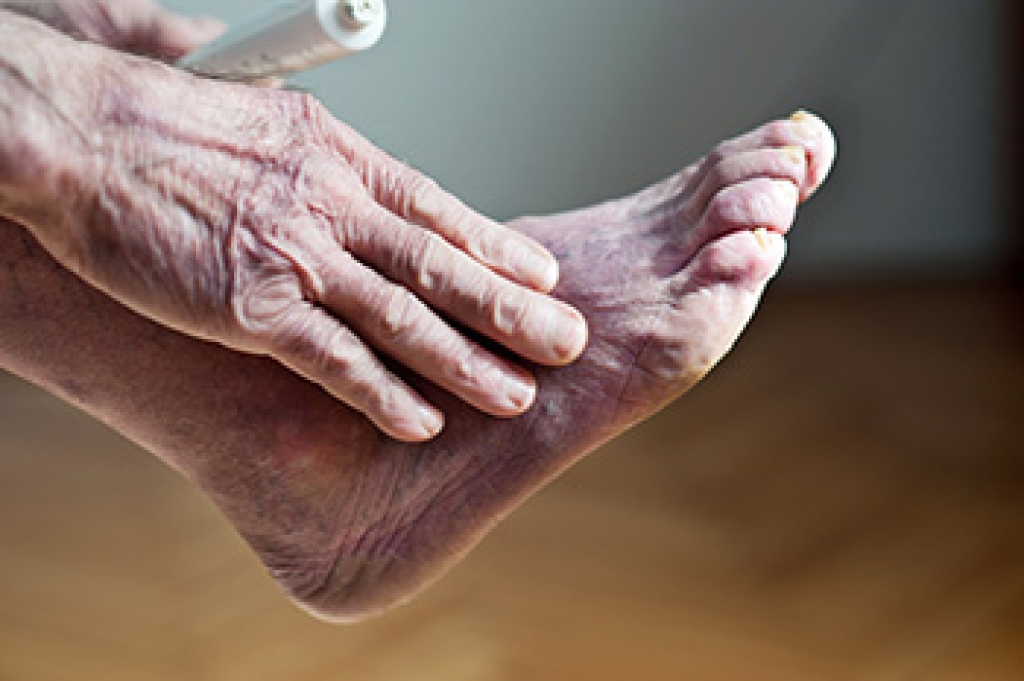
Healthy blood flow delivers oxygen and nutrients throughout the body. Poor circulation develops when blood does not move effectively through the blood vessels. One major cause is narrowing of the arteries from fatty deposits called plaques. When arteries in the legs become narrow, less blood reaches the feet. This problem is called peripheral arterial disease, or PAD. Reduced circulation can make the feet more vulnerable to injury, infection, and ulcers. Cuts and other skin injuries can also heal more slowly when the tissues do not receive enough oxygen and nutrients.
Warning signs can appear in the feet and legs. Painful cramps in the calves can develop with activity and improve with rest. Some patients notice numbness, weakness, or swelling, especially in the feet. The feet and toes can also feel colder than usual. Changes can affect the skin, hair, and toenails because these tissues depend on a steady blood supply. Poor circulation can contribute to brittle nails and slower healing of cuts. Varicose veins can also appear near the feet and ankles when weakened vein valves allow blood and pressure to build up.
A podiatrist can examine the feet for changes linked to poor circulation and assess how well blood is reaching the lower limbs. This evaluation can include checking skin condition, temperature, and pulses in the feet. A podiatrist can also identify wounds or ulcers that are healing slowly and provide appropriate foot care. Regular podiatry visits can help protect vulnerable feet by detecting changes early and reducing the risk of complications. Patients should report persistent cramping, numbness, or unusual temperature changes in their feet. If you have symptoms of poor circulation, it is suggested that you schedule an appointment with a podiatrist for a diagnosis and appropriate treatment and management solutions.
Poor circulation is a serious condition and needs immediate medical attention. If you have any concerns with poor circulation in your feet contact Christopher Jones, DPM of Amarillo Podiatry. Our doctor will treat your foot and ankle needs.
Poor Circulation in the Feet
Poor blood circulation in the feet and legs is can be caused by peripheral artery disease (PAD), which is the result of a buildup of plaque in the arteries.
Plaque buildup or atherosclerosis results from excess calcium and cholesterol in the bloodstream. This can restrict the amount of blood which can flow through the arteries. Poor blood circulation in the feet and legs are sometimes caused by inflammation in the blood vessels, known as vasculitis.
Causes
Lack of oxygen and oxygen from poor blood circulation restricts muscle growth and development. It can also cause:
Those who have diabetes or smoke are at greatest risk for poor circulation, as are those who are over 50. If you have poor circulation in the feet and legs it may be caused by PAD and is important to make changes to your lifestyle in order to reduce risk of getting a heart attack or stroke. Exercise and maintaining a healthy lifestyle will dramatically improve conditions.
As always, see a podiatrist as he or she will assist in finding a regimen that suits you. A podiatrist can also prescribe you any needed medication.
If you have any questions, please feel free to contact our office located in Amarillo, TX . We offer the newest diagnostic and treatment technologies for all your foot care needs.

Exercise plays an important role in keeping the feet strong, flexible, and prepared for everyday movement. The feet support the body when standing and walking, so maintaining their health can enhance mobility. Walking is an effective exercise for the feet because each step moves the foot through its natural range of motion. The movement begins when the heel reaches the ground and continues as the toes push the body forward. Walking also provides benefits beyond foot health by supporting circulation and muscle tone. Keeping the feet active may also help reduce the risk of certain foot injuries.
Flexibility and resistance exercises can also contribute to foot health. Flexibility exercises help maintain movement and reduce stiffness, which can become more noticeable with age. Research suggests that flexibility can still improve as people grow older. Resistance exercises work differently by making muscles move against added weight or force. This type of activity strengthens muscles, allowing them to provide greater support and protection for the feet. Strong and flexible feet are important for maintaining normal movement during exercise and other physical activities. However, foot pain during activity should not be ignored. Certain health problems or structural changes in the feet can affect a person’s ability to exercise comfortably.
A podiatrist can evaluate foot health and determine whether pain or structural problems may be affecting movement during exercise. This evaluation can be especially important for people with arthritis or structural foot problems before beginning certain physical activities. A podiatrist can assess foot function and identify problems that may interfere with comfortable movement. Professional podiatry care can also help determine which types of activity are appropriate, based on individual foot health and physical needs. Maintaining healthy feet can make it easier to remain active and support long-term mobility. If foot pain or stiffness is making exercise or everyday movement difficult, it is suggested that you consult a podiatrist for an evaluation and appropriate treatment options.
Exercising your feet regularly with the proper foot wear is a great way to prevent injuries and build strength. If you have any concerns about your feet, contact Christopher Jones, DPM from Amarillo Podiatry. Our doctor can provide the care you need to keep you pain-free and on your feet.
Exercise for Your Feet
Exercise for your feet can help you gain strength, mobility and flexibility in your feet. They say that strengthening your feet can be just as rewarding as strengthening another part of the body. Your feet are very important, and we often forget about them in our daily tasks. But it is because of our feet that are we able to get going and do what we need to. For those of us fortunate enough to not have any foot problems, it is an important gesture to take care of them to ensure good health in the long run.
Some foot health exercises can include ankle pumps, tip-toeing, toe rises, lifting off the floor doing reps and sets, and flexing the toes. It is best to speak with Our doctor to determine an appropriate regimen for your needs. Everyone’s needs and bodies are different, and the activities required to maintain strength in the feet vary from individual to individual.
Once you get into a routine of doing regular exercise, you may notice a difference in your feet and how strong they may become.
If you have any questions, please feel free to contact our office located in Amarillo, TX . We offer the newest diagnostic and treatment technologies for all your foot care needs.
