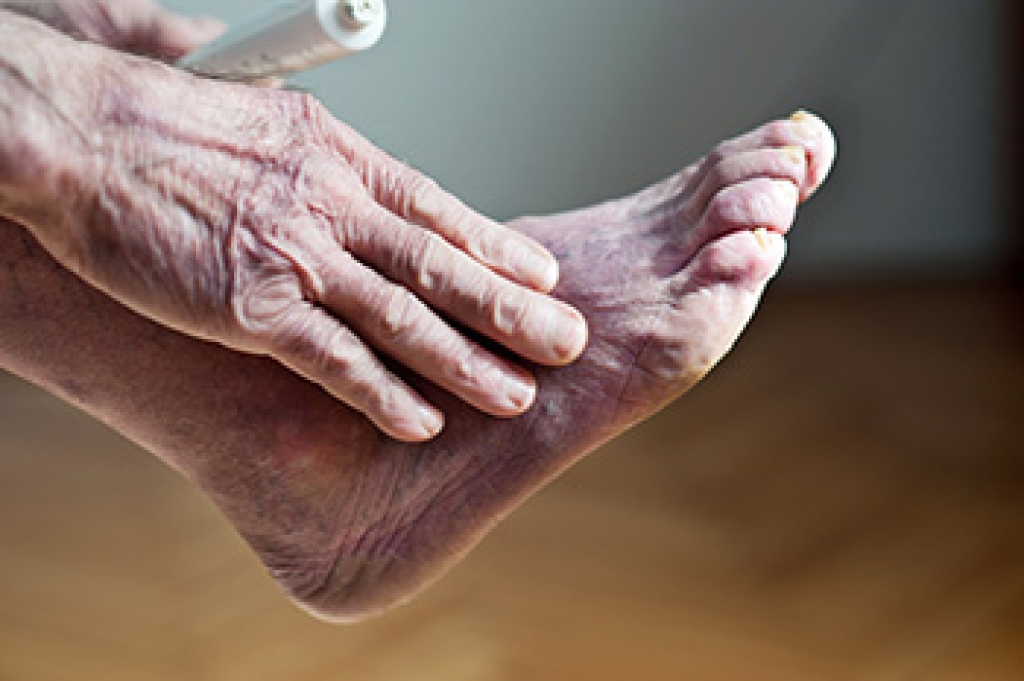
Signs of Poor Circulation in the Feet

Healthy blood flow delivers oxygen and nutrients throughout the body. Poor circulation develops when blood does not move effectively through the blood vessels. One major cause is narrowing of the arteries from fatty deposits called plaques. When arteries in the legs become narrow, less blood reaches the feet. This problem is called peripheral arterial disease, or PAD. Reduced circulation can make the feet more vulnerable to injury, infection, and ulcers. Cuts and other skin injuries can also heal more slowly when the tissues do not receive enough oxygen and nutrients.

Warning signs can appear in the feet and legs. Painful cramps in the calves can develop with activity and improve with rest. Some patients notice numbness, weakness, or swelling, especially in the feet. The feet and toes can also feel colder than usual. Changes can affect the skin, hair, and toenails because these tissues depend on a steady blood supply. Poor circulation can contribute to brittle nails and slower healing of cuts. Varicose veins can also appear near the feet and ankles when weakened vein valves allow blood and pressure to build up.

A podiatrist can examine the feet for changes linked to poor circulation and assess how well blood is reaching the lower limbs. This evaluation can include checking skin condition, temperature, and pulses in the feet. A podiatrist can also identify wounds or ulcers that are healing slowly and provide appropriate foot care. Regular podiatry visits can help protect vulnerable feet by detecting changes early and reducing the risk of complications. Patients should report persistent cramping, numbness, or unusual temperature changes in their feet. If you have symptoms of poor circulation, it is suggested that you schedule an appointment with a podiatrist for a diagnosis and appropriate treatment and management solutions.

Poor circulation is a serious condition and needs immediate medical attention. If you have any concerns with poor circulation in your feet contact Christopher Jones, DPM of Amarillo Podiatry. Our doctor will treat your foot and ankle needs.

Poor Circulation in the Feet

Poor blood circulation in the feet and legs is can be caused by peripheral artery disease (PAD), which is the result of a buildup of plaque in the arteries.

Plaque buildup or atherosclerosis results from excess calcium and cholesterol in the bloodstream. This can restrict the amount of blood which can flow through the arteries. Poor blood circulation in the feet and legs are sometimes caused by inflammation in the blood vessels, known as vasculitis.

Causes

Lack of oxygen and oxygen from poor blood circulation restricts muscle growth and development. It can also cause:

  • Muscle pain, stiffness, or weakness 
  • Numbness or cramping in the legs
  • Skin discoloration
  • Slower nail & hair growth
  • Erectile dysfunction

Those who have diabetes or smoke are at greatest risk for poor circulation, as are those who are over 50. If you have poor circulation in the feet and legs it may be caused by PAD and is important to make changes to your lifestyle in order to reduce risk of getting a heart attack or stroke. Exercise and maintaining a healthy lifestyle will dramatically improve conditions.

As always, see a podiatrist as he or she will assist in finding a regimen that suits you. A podiatrist can also prescribe you any needed medication. 

If you have any questions, please feel free to contact our office located in Amarillo, TX . We offer the newest diagnostic and treatment technologies for all your foot care needs.

Read more about Causes Symptoms and Treatment for Poor Circulation in the Feet

Why Exercise Matters for Healthy Feet

Exercise plays an important role in keeping the feet strong, flexible, and prepared for everyday movement. The feet support the body when standing and walking, so maintaining their health can enhance mobility. Walking is an effective exercise for the feet because each step moves the foot through its natural range of motion. The movement begins when the heel reaches the ground and continues as the toes push the body forward. Walking also provides benefits beyond foot health by supporting circulation and muscle tone. Keeping the feet active may also help reduce the risk of certain foot injuries.

Flexibility and resistance exercises can also contribute to foot health. Flexibility exercises help maintain movement and reduce stiffness, which can become more noticeable with age. Research suggests that flexibility can still improve as people grow older. Resistance exercises work differently by making muscles move against added weight or force. This type of activity strengthens muscles, allowing them to provide greater support and protection for the feet. Strong and flexible feet are important for maintaining normal movement during exercise and other physical activities. However, foot pain during activity should not be ignored. Certain health problems or structural changes in the feet can affect a person’s ability to exercise comfortably.

A podiatrist can evaluate foot health and determine whether pain or structural problems may be affecting movement during exercise. This evaluation can be especially important for people with arthritis or structural foot problems before beginning certain physical activities. A podiatrist can assess foot function and identify problems that may interfere with comfortable movement. Professional podiatry care can also help determine which types of activity are appropriate, based on individual foot health and physical needs. Maintaining healthy feet can make it easier to remain active and support long-term mobility. If foot pain or stiffness is making exercise or everyday movement difficult, it is suggested that you consult a podiatrist for an evaluation and appropriate treatment options.

Exercising your feet regularly with the proper foot wear is a great way to prevent injuries and build strength. If you have any concerns about your feet, contact Christopher Jones, DPM from Amarillo Podiatry. Our doctor can provide the care you need to keep you pain-free and on your feet.

Exercise for Your Feet

Exercise for your feet can help you gain strength, mobility and flexibility in your feet. They say that strengthening your feet can be just as rewarding as strengthening another part of the body. Your feet are very important, and we often forget about them in our daily tasks. But it is because of our feet that are we able to get going and do what we need to. For those of us fortunate enough to not have any foot problems, it is an important gesture to take care of them to ensure good health in the long run.

Some foot health exercises can include ankle pumps, tip-toeing, toe rises, lifting off the floor doing reps and sets, and flexing the toes. It is best to speak with Our doctor to determine an appropriate regimen for your needs. Everyone’s needs and bodies are different, and the activities required to maintain strength in the feet vary from individual to individual. 

Once you get into a routine of doing regular exercise, you may notice a difference in your feet and how strong they may become.

If you have any questions, please feel free to contact our office located in Amarillo, TX . We offer the newest diagnostic and treatment technologies for all your foot care needs.
Read more about Exercise for Your Feet

Stop Your Toenail Fungus

Have you noticed discoloration of your toenails? Have they become thickened or brittle? If so, you may be experiencing symptoms of a fungal nail infection. For some, having a fungal nail can be embarrassing. Overcome your embarrassment, and get treated.

Common Causes of Falls in Seniors and How to Reduce Risk

Falls in elderly adults are a leading cause of injury and can significantly affect independence and quality of life. A fall is defined as an unintentional loss of balance that results in landing on the ground. Common causes include poor vision, medication side effects, home safety hazards, and lack of physical activity. These factors can interfere with balance, coordination, and awareness, increasing the likelihood of a fall. Understanding these causes helps individuals and caregivers take steps to improve safety.

Symptoms that may signal a higher risk of falling include unsteady walking, dizziness, slow reaction time, and muscle weakness. Poor vision can make it difficult to detect obstacles, while certain medications may cause drowsiness or reduced alertness. Risk factors also include chronic health conditions, reduced flexibility, and limited strength. When these issues combine, they can make daily movements more challenging and increase the chance of losing balance.


Falls can result in several foot and ankle conditions, including sprains, fractures, bruising, and joint injuries. These conditions may cause pain, swelling, and difficulty walking, which can limit mobility and slow recovery. Home safety hazards such as loose rugs, poor lighting, and cluttered pathways can increase the risk of these injuries. Preventive measures include improving home safety, staying physically active, and addressing vision concerns. Regular exercise can help build strength and improve balance, which supports safer movement.


Reducing fall risk requires awareness, preparation, and consistent habits. Making simple changes at home and focusing on physical health can help prevent injuries and maintain independence. Understanding symptoms and risk factors allows for early action and better outcomes. If you have foot or ankle pain from falling, it is suggested that you consult a podiatrist for effective treatment solutions and additional guidance on fall prevention strategies.

Preventing falls among the elderly is very important. If you are older and have fallen or fear that you are prone to falling, consult with Christopher Jones, DPM from Amarillo Podiatry. Our doctor will assess your condition and provide you with quality advice and care.

Every 11 seconds, an elderly American is being treated in an emergency room for a fall related injury. Falls are the leading cause of head and hip injuries for those 65 and older. Due to decreases in strength, balance, senses, and lack of awareness, elderly persons are very susceptible to falling. Thankfully, there are a number of things older persons can do to prevent falls.

How to Prevent Falls

Some effective methods that older persons can do to prevent falls include:

  • Enrolling in strength and balance exercise program to increase balance and strength
  • Periodically having your sight and hearing checked
  • Discuss any medications you have with a doctor to see if it increases the risk of falling
  • Clearing the house of falling hazards and installing devices like grab bars and railings
  • Utilizing a walker or cane
  • Wearing shoes that provide good support and cushioning
  • Talking to family members about falling and increasing awareness

Falling can be a traumatic and embarrassing experience for elderly persons; this can make them less willing to leave the house, and less willing to talk to someone about their fears of falling. Doing such things, however, will increase the likelihood of tripping or losing one’s balance. Knowing the causes of falling and how to prevent them is the best way to mitigate the risk of serious injury.  

If you have any questions, please feel free to contact our office located in Amarillo, TX . We offer the newest diagnostic and treatment technologies for all your foot care needs.
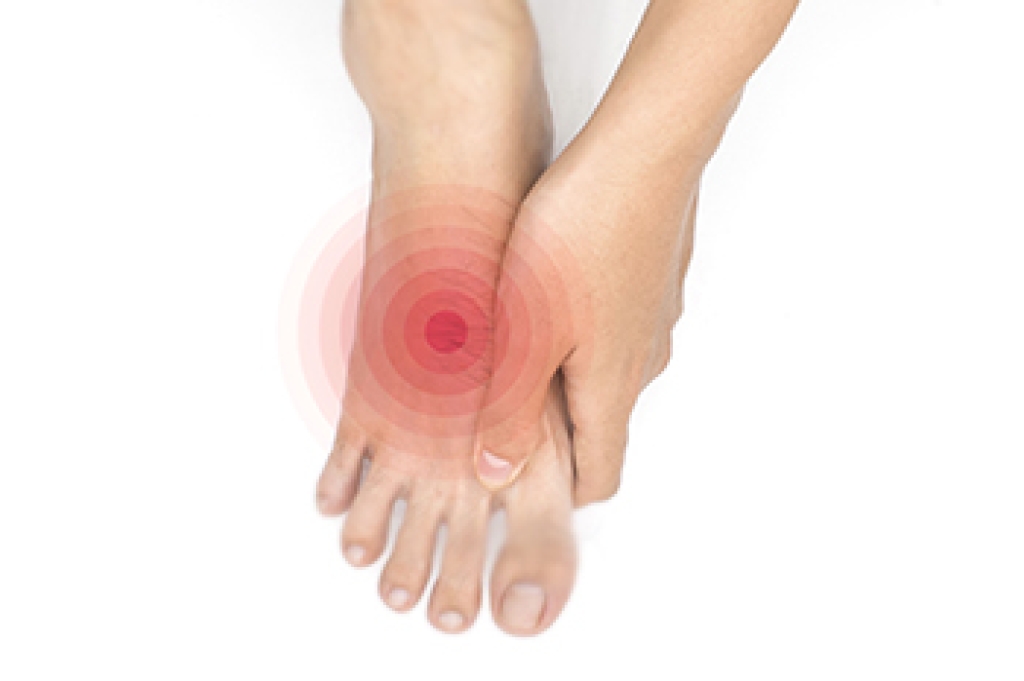
Read more about Falls Prevention

Diabetic Neuropathy and How Laser Therapy Supports Nerve Health

Diabetic neuropathy is a nerve-related condition caused by prolonged high blood sugar levels that damage peripheral nerves, especially in the feet. This condition often develops gradually and can affect sensation, balance, and overall foot function. Reduced blood flow and metabolic changes contribute to nerve injury, making early detection important for preventing complications.

Common symptoms include tingling, burning, numbness, and sharp pain in the feet. Some individuals report weakness or a heavy feeling that affects walking. Loss of sensation is a serious concern, because it increases the risk of unnoticed injuries. Skin changes, temperature sensitivity, and delayed healing may also be present. These symptoms can vary in intensity and often worsen over time without proper care.


Risk factors include long-term diabetes, poor blood sugar control, and a sedentary lifestyle. Smoking and vascular disease can further reduce circulation, increasing nerve damage. The underlying cause involves both metabolic and vascular changes that impair nerve function. Over time, nerves lose their ability to send signals effectively, leading to the symptoms associated with neuropathy.


Low-level laser therapy is a non-invasive treatment that uses specific wavelengths of light to stimulate cellular repair and improve circulation. This therapy may help reduce pain, support nerve regeneration, and enhance tissue healing. Improved blood flow delivers oxygen and nutrients that are essential for nerve health. Combined with proper foot care and glucose management, it can play a supportive role in treatment. If you are experiencing neuropathy from diabetes, it is suggested that you are under the care of a podiatrist who can discuss the benefits of this type of therapy with you.

Neuropathy

Neuropathy can be a potentially serious condition, especially if it is left undiagnosed. If you have any concerns that you may be experiencing nerve loss in your feet, consult with Christopher Jones, DPM from Amarillo Podiatry. Our doctor will assess your condition and provide you with quality foot and ankle treatment for neuropathy.

What Is Neuropathy?

Neuropathy is a condition that leads to damage to the nerves in the body. Peripheral neuropathy, or neuropathy that affects your peripheral nervous system, usually occurs in the feet. Neuropathy can be triggered by a number of different causes. Such causes include diabetes, infections, cancers, disorders, and toxic substances.

Symptoms of Neuropathy Include:

  • Numbness
  • Sensation loss
  • Prickling and tingling sensations
  • Throbbing, freezing, burning pains
  • Muscle weakness

Those with diabetes are at serious risk due to being unable to feel an ulcer on their feet. Diabetics usually also suffer from poor blood circulation. This can lead to the wound not healing, infections occurring, and the limb may have to be amputated.

Treatment

To treat neuropathy in the foot, podiatrists will first diagnose the cause of the neuropathy. Figuring out the underlying cause of the neuropathy will allow the podiatrist to prescribe the best treatment, whether it be caused by diabetes, toxic substance exposure, infection, etc. If the nerve has not died, then it’s possible that sensation may be able to return to the foot.

Pain medication may be issued for pain. Electrical nerve stimulation can be used to stimulate nerves. If the neuropathy is caused from pressure on the nerves, then surgery may be necessary.

If you have any questions, please feel free to contact our office located in Amarillo, TX . We offer the newest diagnostic and treatment technologies for all your foot care needs.

Read more about Neuropathy
scroll to top