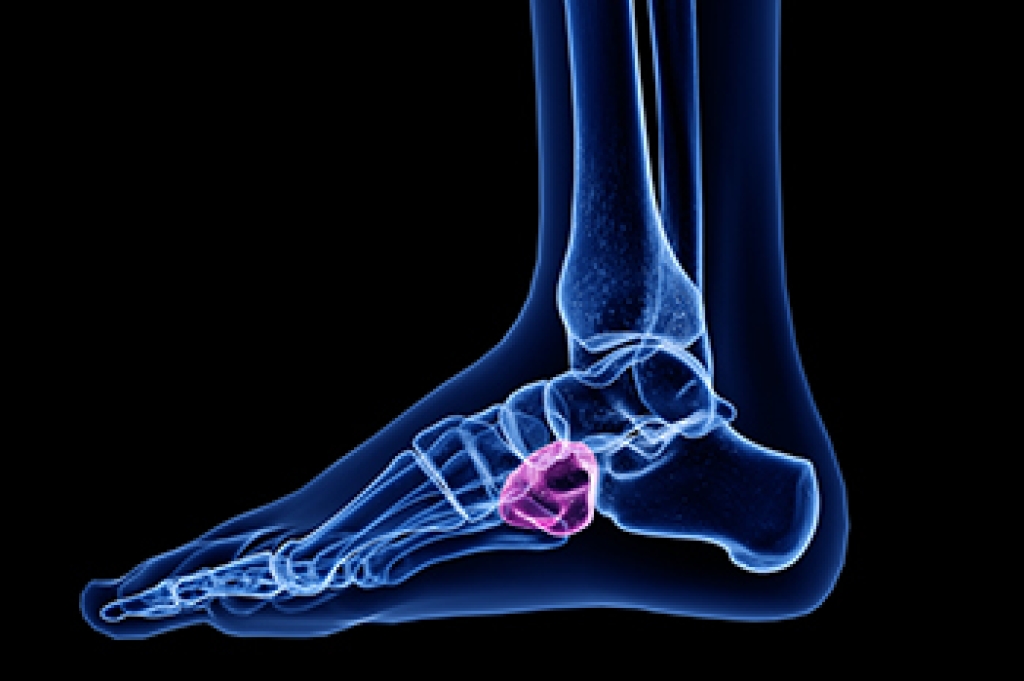
Cuboid Syndrome and Lateral Foot Pain

Cuboid syndrome affects the cuboid bone on the outer side of the foot and is a common cause of lateral foot pain. The cuboid plays an important role in foot stability and movement, especially during walking and running. This condition occurs when the cuboid bone becomes slightly misaligned or disrupted, often due to strain or injury. Even a small shift in this bone can lead to significant discomfort and difficulty with normal foot function.

Symptoms of cuboid syndrome include sharp or aching pain along the outer side of the foot. This pain may worsen with weight bearing activities, such as walking, standing, or pushing off during movement. Some individuals experience tenderness when pressing on the affected area, along with mild swelling. Limited mobility and weakness in the foot may also develop, making it difficult to maintain balance or perform daily activities. In some cases, the pain may come and go, especially after periods of rest or increased activity.


Several causes contribute to the development of cuboid syndrome. Trauma to the foot, such as a sudden twist or ankle injury, is one of the most common triggers. Repetitive strain from physical activity or improper footwear can also lead to misalignment of the cuboid bone. Altered foot biomechanics, including flat feet or abnormal gait patterns, may place added stress on the lateral side of the foot. 


Risk factors for cuboid syndrome include participation in sports that involve quick directional changes, a history of ankle instability, and prolonged standing or walking. Individuals with poor foot mechanics or inadequate support may also be more likely to develop this condition. Early recognition and treatment can help restore proper alignment and reduce pain. A podiatrist can assess the foot and recommend appropriate care to improve function. If you have pain on the outside of your foot, it is suggested that you consult a podiatrist who can accurately diagnose and treat cuboid syndrome. 

Cuboid syndrome, also known as cuboid subluxation, occurs when the joints and ligaments near the cuboid bone in the foot become torn. If you have cuboid syndrome, consult with Christopher Jones, DPM from Amarillo Podiatry. Our doctor will assess your condition and provide you with quality foot and ankle treatment.

Cuboid syndrome is a common cause of lateral foot pain, which is pain on the outside of the foot. The condition may happen suddenly due to an ankle sprain, or it may develop slowly overtime from repetitive tension through the bone and surrounding structures.

Causes

The most common causes of cuboid syndrome include:

  • Injury – The most common cause of this ailment is an ankle sprain.
  • Repetitive Strain – Tension placed through the peroneus longus muscle from repetitive activities such as jumping and running may cause excessive traction on the bone causing it to sublux.
  • Altered Foot Biomechanics – Most people suffering from cuboid subluxation have flat feet.

Symptoms

A common symptom of cuboid syndrome is pain along the outside of the foot which can be felt in the ankle and toes. This pain may create walking difficulties and may cause those with the condition to walk with a limp.

Diagnosis

Diagnosis of cuboid syndrome is often difficult, and it is often misdiagnosed. X-rays, MRIs and CT scans often fail to properly show the cuboid subluxation. Although there isn’t a specific test used to diagnose cuboid syndrome, your podiatrist will usually check if pain is felt while pressing firmly on the cuboid bone of your foot.

Treatment

Just as the range of causes varies widely, so do treatments. Some more common treatments are ice therapy, rest, exercise, taping, and orthotics.

If you have any questions, please feel free to contact our office located in Amarillo, TX . We offer the newest diagnostic and treatment technologies for all your foot care needs.

Read more about Cuboid Syndrome

How to Fit Shoes Properly

Proper shoe fit is essential both for maintaining foot health and preventing pain. Wearing the correct shoe size supports natural foot alignment and reduces pressure on sensitive areas. A proper fit means the shoe provides enough space for the toes, a secure heel, and adequate support for the arch. Many people wear shoes that are too tight or too loose, which can lead to discomfort and long-term issues. Understanding how to fit shoes correctly helps reduce the risk of foot problems and improves daily comfort.

Symptoms of poorly-fitted shoes often include foot pain, blisters, and pressure points. Wearing tight shoes can compress the toes and lead to conditions such as bunions or hammertoes. Loose shoes may cause the foot to slide, creating friction and instability. Some individuals experience arch pain or heel discomfort due to lack of support. These symptoms can worsen with continued use of improperly fitted shoes, and may affect walking and posture.


Several risk factors increase the likelihood of wearing the wrong shoe size. Not having feet measured regularly is a common issue, as foot size can change over time. Shopping early in the day may result in selecting shoes that feel tight later, since feet tend to swell in the afternoon. Failing to try on both shoes or ignoring width can also lead to poor fit. The main cause of many foot problems is improper sizing, which places uneven pressure on the foot structure.


To ensure a proper fit, it is best to visit a store and have both feet measured in the store. Shopping in the afternoon allows for a more accurate fit when feet are slightly expanded. Walking in the shoes before purchasing helps confirm comfort and stability. If you have foot pain from wearing shoes that do not fit right, it is suggested that you consult a podiatrist for effective relief solutions, and additional guidance tips.

Finding a properly-fitting shoe is important in reducing injuries and preventing foot problems. For more information about treatment, contact Christopher Jones, DPM from Amarillo Podiatry. Our doctor will treat your foot and ankle needs.

Proper Shoe Fitting

A common concern when it comes to foot health, having properly fitted shoes can help prevent injuries to the foot. Out feet affect our posture and gait, which in turn affects the biomechanics and overall bodily structure. With 33 joints, 26 bones, and over 100 ligaments, the potential for serious injury is much greater than one realizes. Although the feet cease growth in adulthood, they still change shape as they mature. Here are some factors to consider when it comes to investing in proper fitting shoes:

  • Be sure the shoes fit correctly right away
  • Ensure the ball of your foot fits comfortably in the widest portion of the shoes
  • Even though they may look fashionable, improper fitting shoes can either create adverse conditions or exacerbate existing ones you may already have
  • Walk along a carpeted surface to ensure the shoes comfortably fit during normal activity

Keeping in mind how shoes fit the biomechanics of your body, properly-fitting shoes are vitally important. Fortunately, it is not difficult to acquire footwear that fits correctly. Be sure to wear shoes that support the overall structure of your body. Do your feet a favor and invest in several pairs of well-fitted shoes today.

If you have any questions, please feel free to contact our office located in Amarillo, TX . We offer the newest diagnostic and treatment technologies for all your foot care needs.
Read more about Getting the Right Shoe Size

Understanding Foot Drop

Foot drop makes it difficult to lift the front part of the foot while walking. Instead of being a disease itself, it is a sign of an underlying problem affecting the muscles or nerves that control foot movement. People with foot drop may drag their toes, lift their knee higher than usual, or have trouble clearing the foot with each step. Some individuals also experience numbness, weakness, or tingling in the foot or lower leg. These symptoms can increase the risk of trips and falls, making everyday activities more challenging. Because foot drop can have several causes, a professional evaluation is important to identify the underlying condition and determine the most appropriate treatment.


Foot drop may develop after a nerve injury or as the result of certain muscle or neurological conditions. In some cases, pressure on a nerve can interfere with normal communication between the brain and the muscles that lift the foot. As walking mechanics change, extra stress may be placed on the ankle, knee, and hip. This altered movement can also affect balance and reduce overall mobility. A thorough podiatry evaluation helps assess foot function, muscle strength, and walking patterns. Additional testing may be recommended to identify the source of the problem and guide treatment planning.


A podiatrist plays an important role in evaluating foot drop and helping patients improve foot function and mobility. Professional care focuses on identifying the cause of the condition, improving walking mechanics, and reducing the risk of complications related to abnormal movement. Treatment is tailored to each patient's needs and may involve coordination with other healthcare providers when appropriate. Early podiatry care can help improve stability and support safer movement during daily activities. If you are experiencing foot weakness, difficulty lifting your foot, or changes in the way you walk, it is suggested that you consult a podiatrist for an evaluation and appropriate treatment options.

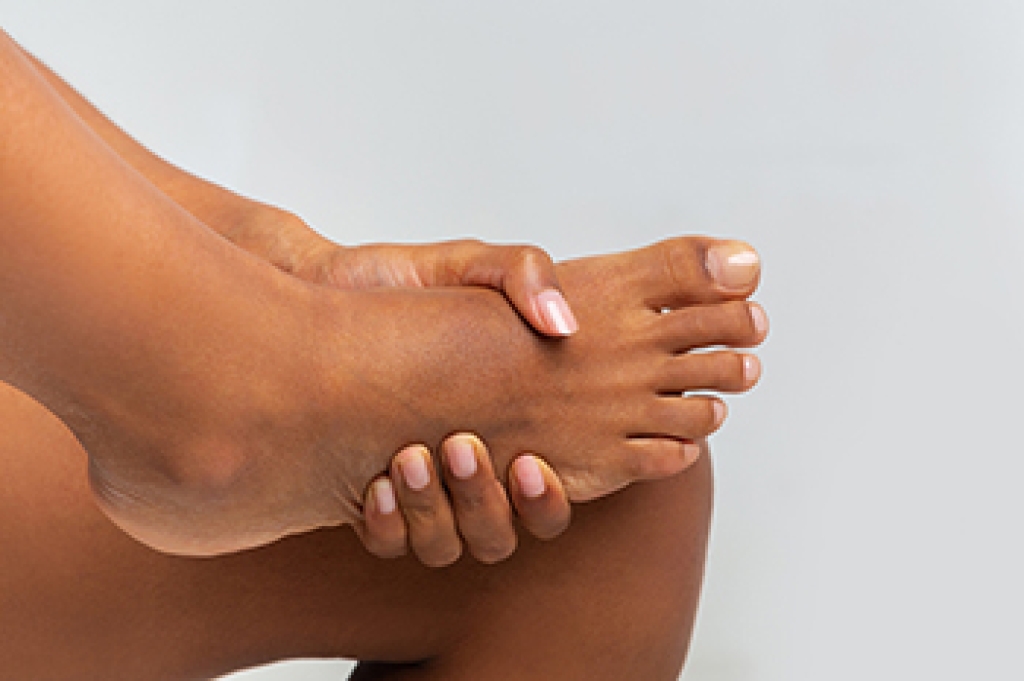
Foot Pain

Foot pain can be extremely painful and debilitating. If you have a foot pain, consult with Christopher Jones, DPM from Amarillo Podiatry. Our doctor will assess your condition and provide you with quality foot and ankle treatment.

Causes

Foot pain is a very broad condition that could be caused by one or more ailments. The most common include:

  • Bunions
  • Hammertoes
  • Plantar Fasciitis
  • Bone Spurs
  • Corns
  • Tarsal Tunnel Syndrome
  • Ingrown Toenails
  • Arthritis (such as Gout, Rheumatoid, and Osteoarthritis)
  • Flat Feet
  • Injury (from stress fractures, broken toe, foot, ankle, Achilles tendon ruptures, and sprains)
  • And more

Diagnosis

To figure out the cause of foot pain, podiatrists utilize several different methods. This can range from simple visual inspections and sensation tests to X-rays and MRI scans. Prior medical history, family medical history, and any recent physical traumatic events will all be taken into consideration for a proper diagnosis.

Treatment

Treatment depends upon the cause of the foot pain. Whether it is resting, staying off the foot, or having surgery; podiatrists have a number of treatment options available for foot pain.

If you have any questions, please feel free to contact our office located in Amarillo, TX . We offer the newest diagnostic and treatment technologies for all your foot care needs.
Read more about Foot Pain

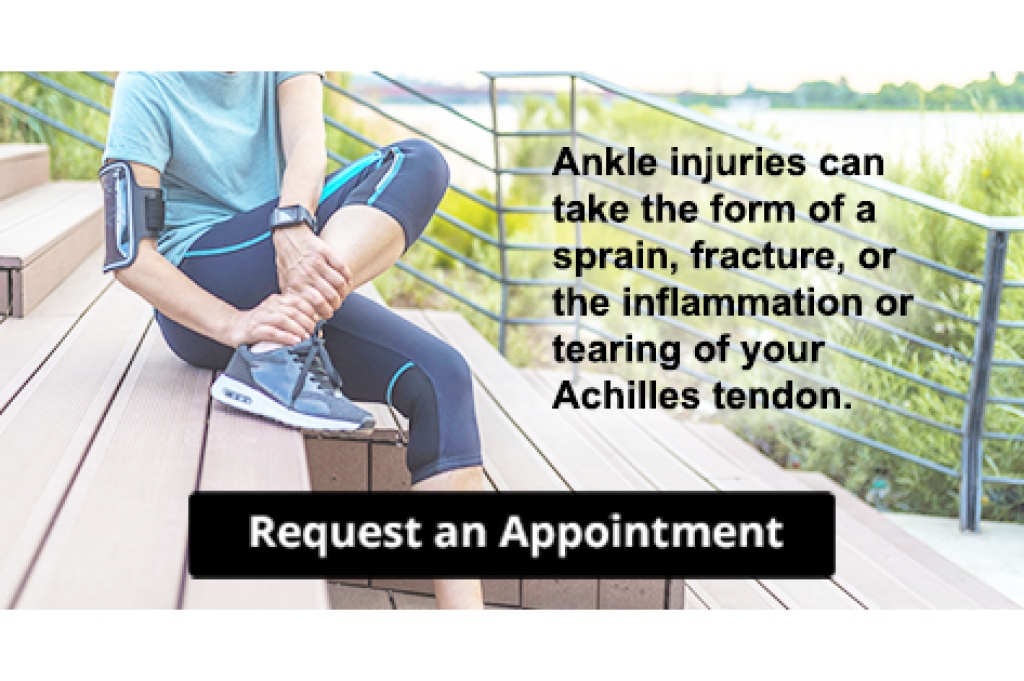
Get Proper Treatment for Ankle Injuries

If you're experiencing ankle pain, you may be suffering from an ankle injury. Sprains, fractures, Achilles tendonitis, and Achilles tendon ruptures are just some examples of potential ankle injuries. Don't wait for care for an ankle injury, as it may worsen over time. We can help!

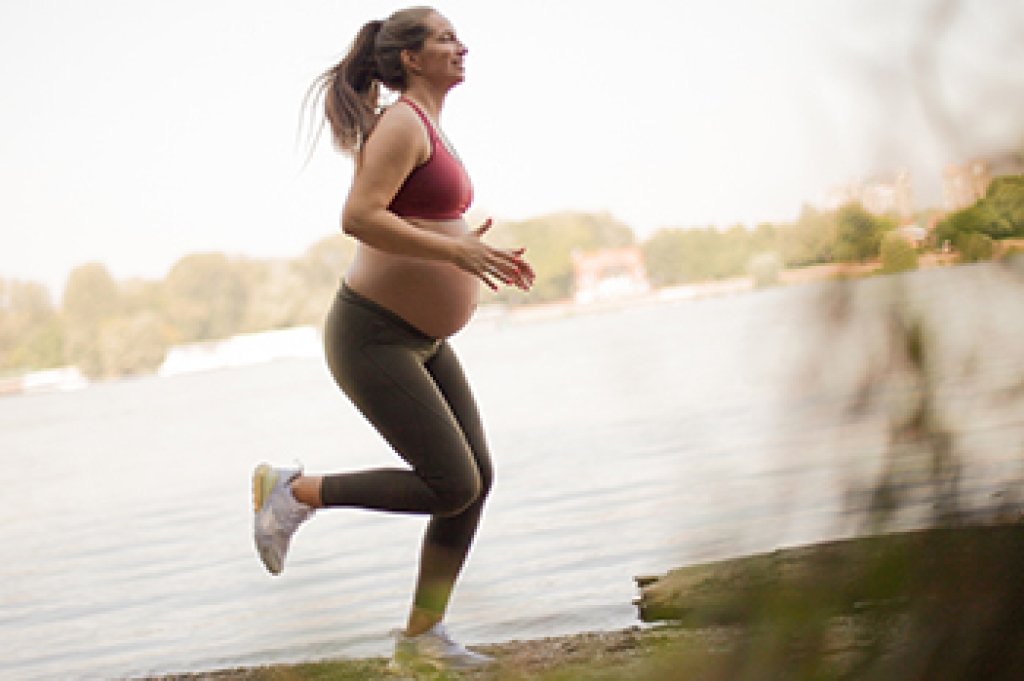
How Safe Is Running During Pregnancy?

Pregnancy brings many changes to the body, but many women can continue running when their obstetrician says it is safe. As the baby grows, extra body weight and shifting balance place more stress on the feet, ankles, and lower legs. Hormones also loosen the body's ligaments, which are strong bands of tissue that support joints. This natural change helps prepare the body for childbirth, but it can reduce foot stability while running. Some women notice sore arches, heel pain, or ankle discomfort. Others develop swelling that changes how their shoes fit. Running in shoes that provide good support and enough room for the feet becomes even more important as pregnancy progresses. Paying attention to new pain helps prevent small problems from becoming more serious. 

A podiatrist can evaluate changes in foot structure and walking or running patterns that develop during pregnancy. The examination includes checking foot alignment, ankle stability, and areas of excess pressure. A podiatrist also looks for conditions like plantar fasciitis, tendon irritation, and stress on the joints caused by changing body weight. Custom orthotics can improve foot support and help distribute pressure more evenly. Shoe recommendations based on foot shape and running style also help improve comfort. Regular foot evaluations allow problems to be identified before they interfere with daily activities or exercise. Prompt care also reduces the chance that pain will limit healthy movement throughout pregnancy.

Running goals often change while pregnant, and comfort becomes more important than speed or distance. Many women find that adjusting their routine allows them to remain active while protecting their feet and ankles. A podiatrist works with the patient's obstetric care team to address foot concerns that develop throughout pregnancy. Professional care helps runners stay as comfortable and active as possible while protecting foot health. If you have foot pain after running while pregnant, it is suggested that you schedule an appointment with a podiatrist for a diagnosis and appropriate treatment.

Pregnant women with swollen feet can be treated with a variety of different methods that are readily available. For more information about other cures for swollen feet during pregnancy, consult with Christopher Jones, DPM from Amarillo Podiatry. Our doctor will attend to all of your foot and ankle needs.

What Foot Problems Can Arise During Pregnancy?

One problem that can occur is overpronation, which occurs when the arch of the foot flattens and tends to roll inward.  This can cause pain and discomfort in your heels while you’re walking or even just standing up, trying to support your baby.  

Another problem is edema, or swelling in the extremities. This often affects the feet during pregnancy but tends to occur in the later stages. 

How Can I Keep My Feet Healthy During Pregnancy?

  • Wearing orthotics can provide extra support for the feet and help distribute weight evenly
  • Minimize the amount of time spent walking barefoot
  • Wear shoes with good arch support
  • Wear shoes that allow for good circulation to the feet
  • Elevate feet if you experience swelling
  • Massage your feet
  • Get regular, light exercise, such as walking, to promote blood circulation to the feet

If you have any questions, please feel free to contact our office located in Amarillo, TX . We offer the newest diagnostic and treatment technologies for all your foot care needs.

Read more about Foot Care for Pregnant Women
scroll to top