Athlete’s Foot Symptoms You Should Not Ignore

Athlete's foot is a fungal skin infection that can affect children as well as adults. The infection develops when fungi grow in warm, moist areas, especially between the toes or on the soles of the feet. Children who spend time in locker rooms, swimming pools, or shared changing areas have a greater chance of coming into contact with the fungus. Wearing shoes for long periods can also create a damp environment that allows the infection to spread. Symptoms include itching, burning, redness, and peeling skin. Some children develop cracked skin or small blisters that become uncomfortable while walking. Although athlete's foot usually stays on the skin, the infection can spread to the toenails or other parts of the foot when it is not treated promptly.

A podiatrist can determine whether a child's foot problem is athlete's foot or another condition with similar symptoms. Skin problems like eczema or dermatitis can look alike, making a professional diagnosis important. In some cases, the podiatrist gently collects a small skin sample to confirm that a fungus is causing the infection. This simple test helps guide treatment and avoids unnecessary medications. The podiatrist also checks for signs that the infection has spread to the toenails or caused deeper skin damage. Early evaluation helps reduce discomfort and lowers the chance of the infection returning.

Treatment focuses on eliminating the fungal infection and restoring healthy skin. A podiatrist selects prescription creams, topical medications, or oral medication when the infection is more severe. The treatment plan depends on the child's age, symptoms, and the extent of the infection. The podiatrist also identifies factors that contribute to repeated infections, including wearing shoes that do not allow enough airflow or spending time in damp environments. Follow-up visits help confirm that the infection has cleared completely and that healthy skin has returned. Prompt care can prevent complications and allow children to stay active with greater comfort and confidence. If you have symptoms of athlete's foot, it is suggested that you make an appointment with a chiropractor for diagnosis and treatment.

Athlete’s Foot

Athlete’s foot is often an uncomfortable condition to experience. Thankfully, podiatrists specialize in treating athlete’s foot and offer the best treatment options. If you have any questions about athlete’s foot, consult with Christopher Jones, DPM from Amarillo Podiatry. Our doctor will assess your condition and provide you with quality treatment.

What Is Athlete’s Foot?

Tinea pedis, more commonly known as athlete’s foot, is a non-serious and common fungal infection of the foot. Athlete’s foot is contagious and can be contracted by touching someone who has it or infected surfaces. The most common places contaminated by it are public showers, locker rooms, and swimming pools. Once contracted, it grows on feet that are left inside moist, dark, and warm shoes and socks.

Prevention

The most effective ways to prevent athlete’s foot include:

  • Thoroughly washing and drying feet
  • Avoid going barefoot in locker rooms and public showers
  • Using shower shoes in public showers
  • Wearing socks that allow the feet to breathe
  • Changing socks and shoes frequently if you sweat a lot

Symptoms

Athlete’s foot initially occurs as a rash between the toes. However, if left undiagnosed, it can spread to the sides and bottom of the feet, toenails, and if touched by hand, the hands themselves. Symptoms include:

  • Redness
  • Burning
  • Itching
  • Scaly and peeling skin

Diagnosis and Treatment

Diagnosis is quick and easy. Skin samples will be taken and either viewed under a microscope or sent to a lab for testing. Sometimes, a podiatrist can diagnose it based on simply looking at it. Once confirmed, treatment options include oral and topical antifungal medications.

If you have any questions, please feel free to contact our office located in Amarillo, TX . We offer the newest diagnostic and treatment technologies for all your foot care needs.

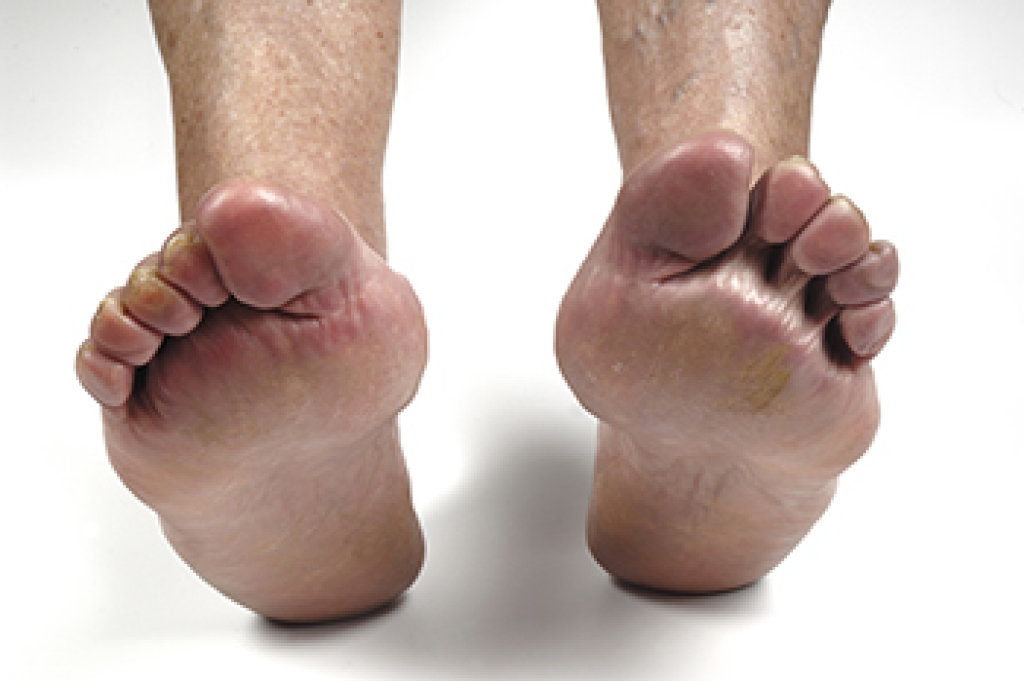
Read more about How to Deal with Athlete's Foot

Achilles Tendon Injuries and When to See a Podiatrist

Achilles tendon injuries can make every step painful because this strong, fibrous band connects the calf muscles to the heel bone. It provides the strength and flexibility needed for running, jumping, and walking. The tendon handles significant stress during daily activities and sports, making it vulnerable to injury. When the tendon becomes inflamed, swollen, and irritated, the condition is called tendonitis. Repeated strain, tight calf muscles, or a sudden increase in activity can all contribute to tendon damage. A bone spur where the tendon attaches to the heel can also increase irritation. 

Achilles tendon injuries include inflammation, partial tears, and complete ruptures. Inflammation, or tendonitis, causes pain along the back of the leg near the heel. Other symptoms are swelling, thickening of the tendon, or discomfort that becomes worse with activity. There are two forms of tendonitis. One affects the middle portion of the tendon, while the other develops where the tendon attaches to the heel bone. A rupture is more serious and can produce a sudden sharp pain along with a popping sound in the back of the ankle or calf. This type of injury requires immediate medical attention because the tendon can no longer function normally.

A podiatrist performs a detailed examination to determine the exact cause of Achilles tendon pain. The evaluation includes checking the tendon for tenderness, swelling, and movement of the ankle. Imaging tests can confirm the extent of the injury and identify bone spurs or tendon tears. Treatment depends on the diagnosis and includes protecting the tendon and reducing stress on the injured area. Custom orthotics or surgery may be needed for severe ruptures or damage that cannot heal properly. Early diagnosis helps reduce complications and supports a safer return to normal activities. If you have injured your Achilles tendon, it is suggested that you schedule an appointment with a podiatrist for diagnosis and appropriate treatment.

Achilles tendon injuries need immediate attention to avoid future complications. If you have any concerns, contact Christopher Jones, DPM of Amarillo Podiatry. Our doctor can provide the care you need to keep you pain-free and on your feet.

What Is the Achilles Tendon?

The Achilles tendon is a tendon that connects the lower leg muscles and calf to the heel of the foot. It is the strongest tendon in the human body and is essential for making movement possible. Because this tendon is such an integral part of the body, any injuries to it can create immense difficulties and should immediately be presented to a doctor.

What Are the Symptoms of an Achilles Tendon Injury?

There are various types of injuries that can affect the Achilles tendon. The two most common injuries are Achilles tendinitis and ruptures of the tendon.

Achilles Tendinitis Symptoms

  • Inflammation
  • Dull to severe pain
  • Increased blood flow to the tendon
  • Thickening of the tendon

Rupture Symptoms

  • Extreme pain and swelling in the foot
  • Total immobility

Treatment and Prevention

Achilles tendon injuries are diagnosed by a thorough physical evaluation, which can include an MRI. Treatment involves rest, physical therapy, and in some cases, surgery. However, various preventative measures can be taken to avoid these injuries, such as:

  • Thorough stretching of the tendon before and after exercise
  • Strengthening exercises like calf raises, squats, leg curls, leg extensions, leg raises, lunges, and leg presses

If you have any questions please feel free to contact our office located in Amarillo, TX . We offer the newest diagnostic tools and technology to treat your foot and ankle needs.

Read more about What are Achilles Tendon Injuries

How Rheumatoid Arthritis Affects the Feet and Ankles

Rheumatoid arthritis is a disease in which the body's immune system mistakenly attacks healthy joint tissue. This type of arthritis causes inflammation, which results in swelling and irritation inside the joints. It affects the feet and ankles because they contain many small joints that support body weight. Early symptoms include pain, stiffness, and swelling in the toes, forefoot, or ankles. The condition commonly affects the same joints on both sides of the body. Rheumatoid arthritis can make standing uncomfortable and can limit daily activities.

As the condition progresses, inflammation can damage the joints and surrounding tissues. This can change the shape of the feet and toes. Some people develop bunions, hammertoes, or toes that drift out of position. Walking can become difficult because the joints lose flexibility and stability. Pain can increase when standing for long periods and while walking. Some people develop thickened areas of skin because abnormal pressure is placed on certain parts of the feet. Swelling in the ankles is another common problem. These changes can make comfortable shoes harder to find and can affect balance.

A podiatrist plays an important role in identifying foot problems related to rheumatoid arthritis. Diagnosis includes a physical examination, a review of symptoms, and X-rays or other imaging to look for joint damage. Treatment focuses on reducing pain and improving foot function. A podiatrist may recommend custom orthotics, supportive footwear, or padding to reduce pressure on painful areas. Care can also include monitoring joint changes and addressing deformities before they become severe. Early diagnosis can help reduce the risk of significant joint damage and loss of mobility. Proper foot care can help patients remain active and comfortable. If you have symptoms of rheumatoid arthritis in your feet and ankles, it is suggested that you make an appointment with a podiatrist for an exam and diagnosis.

Because RA affects more than just your joints, including the joints in your feet and ankles, it is important to seek early diagnosis from your podiatrist if you feel like the pain in your feet might be caused by RA. For more information, contact Christopher Jones, DPM of Amarillo Podiatry. Our doctor will assist you with all of your podiatric concerns.

What Is Rheumatoid Arthritis?

Rheumatoid Arthritis (RA) is an autoimmune disorder in which the body’s own immune system attacks the membranes surrounding the joints. Inflammation of the lining and eventually the destruction of the joint’s cartilage and bone occur, causing severe pain and immobility.

Rheumatoid Arthritis of the Feet

Although RA usually attacks multiple bones and joints throughout the entire body, almost 90 percent of cases result in pain in the foot or ankle area.

Symptoms

  • Swelling and pain in the feet
  • Stiffness in the feet
  • Pain on the ball or sole of feet
  • Joint shift and deformation

Diagnosis

Quick diagnosis of RA in the feet is important so that the podiatrist can treat the area effectively. Your doctor will ask you about your medical history, occupation, and lifestyle to determine the origin of the condition. Rheumatoid Factor tests help to determine if someone is affected by the disease.

If you have any questions, please feel free to contact our office located in Amarillo, TX . We offer the newest diagnostic and treatment technologies for all your foot care needs.

Read more about Rheumatoid Arthritis in the Feet

How a Podiatrist Helps With Diabetic Foot Care

Diabetic foot care is important because diabetes can affect nerves and blood flow in the feet. Nerve damage can reduce feeling, which means a cut, blister, or sore may not hurt right away. Poor blood flow can make it harder for an injury to heal and can increase the risk of infection. These problems can become serious when they are not found early. Warning signs include numbness, redness, and open sores. Other concerns include swelling, drainage, or changes in skin color. A podiatrist can help patients with diabetes protect their feet through regular exams and early treatment. These visits are especially valuable when patients have past wounds or changing foot shape.

A podiatrist checks the nails, circulation, and feeling in the feet. Circulation means how well blood moves through the body. The exam also includes looking for pressure spots that can lead to wounds. Thick toenails, calluses, and corns can create extra stress on the skin. A podiatrist can trim problem nails safely and remove painful thick skin with the right instruments. This is especially important for patients with reduced feeling, because small cuts can lead to infection. The podiatrist can also check whether shoes fit properly and if special inserts or diabetic shoes are needed.

Diabetic foot care is most effective when it is part of ongoing medical care. A podiatrist can treat ulcers, order imaging, and coordinate care when an infection is suspected. An ulcer is an open wound that can be slow to heal. Treatment can include wound cleaning, pressure relief, or medication for infection. Pressure relief means reducing stress on the sore area so healing can occur. Your podiatrist can also monitor changes in walking, foot shape, or skin health. Regular visits help catch problems before they threaten mobility. If you have symptoms of diabetic foot problems, it is suggested that you  are under the care of a podiatrist who can offer effective relief and management solutions.

Diabetic foot care is important in preventing foot ailments such as ulcers. If you are suffering from diabetes or have any other concerns about your feet, contact Christopher Jones, DPM from Amarillo Podiatry. Our doctor can provide the care you need to keep you pain-free and on your feet.

Diabetic Foot Care

Diabetes affects millions of people every year. The condition can damage blood vessels in many parts of the body, especially the feet. Because of this, taking care of your feet is essential if you have diabetes, and having a podiatrist help monitor your foot health is highly recommended.

The Importance of Caring for Your Feet

  • Routinely inspect your feet for bruises or sores.
  • Wear socks that fit your feet comfortably.
  • Wear comfortable shoes that provide adequate support.

Patients with diabetes should have their doctor monitor their blood levels, as blood sugar levels play such a huge role in diabetic care. Monitoring these levels on a regular basis is highly advised.

It is always best to inform your healthcare professional of any concerns you may have regarding your feet, especially for diabetic patients. Early treatment and routine foot examinations are keys to maintaining proper health, especially because severe complications can arise if proper treatment is not applied.

If you have any questions, please feel free to contact our office located in Amarillo, TX . We offer the newest diagnostic and treatment technologies for all your foot care needs.

Read more about Diabetic Foot Care

Ankle Fracture? Don’t Wait for Treatment

If you're suffering from an ankle fracture, professional attention shouldn't wait. Fractures may worsen over time and can make completing everyday activities incredibly difficult. See your specialist for treatment and guidance through the healing process. 

scroll to top