
Heel Pain Has Several Possible Causes

Heel pain can make walking, exercising, or standing uncomfortable. It may develop suddenly after an injury, or build slowly from repeated stress. Common causes include heel fracture, plantar fasciitis, and Achilles tendonitis. Each condition affects the heel differently, so identifying the source of pain is important for effective treatment. Heel pain can also be related to footwear, overuse, or changes in foot mechanics. Certain activity in everyday life may also contribute.

A heel fracture usually results from a hard impact, such as a fall from a height. Symptoms include severe pain, swelling, and difficulty putting weight on the foot. Risk factors include high-impact activities, weakened bones, and previous injuries. A podiatrist may use X-rays or other imaging tests to evaluate the heel bone. Treatment can involve immobilization, protected weight-bearing, or surgery when the fracture is severe.


Plantar fasciitis develops when the thick band of tissue beneath the foot becomes irritated. Pain in the heel is often strongest with the first steps after waking or resting. Risk factors include increased activity, unsupportive shoes, and tight calf muscles. Achilles tendonitis affects the tendon connecting the calf muscles to the heel bone. It may cause pain, tenderness, or stiffness near the back of the heel. Running, jumping, or sudden training changes can increase risk.


A podiatrist begins by reviewing symptoms, activities, and injury history before examining the foot and ankle. Treatment may include activity changes, supportive footwear, or custom orthotics when appropriate. For fractures, the foot may need protection and gradual return to weight-bearing. Persistent tendon or plantar fascia problems may require additional treatments based on the condition. If heel pain continues, worsens, or interferes with daily activities, it is suggested that you consult a podiatrist for an accurate diagnosis and appropriate treatment.

Many people suffer from bouts of heel pain. For more information, contact Christopher Jones, DPM of Amarillo Podiatry. Our doctor can provide the care you need to keep you pain-free and on your feet.

Causes of Heel Pain

Heel pain is often associated with plantar fasciitis. The plantar fascia is a band of tissues that extends along the bottom of the foot. A rip or tear in this ligament can cause inflammation of the tissue.

Achilles tendonitis is another cause of heel pain. Inflammation of the Achilles tendon will cause pain from fractures and muscle tearing. Lack of flexibility is also another symptom.

Heel spurs are another cause of pain. When the tissues of the plantar fascia undergo a great deal of stress, it can lead to ligament separation from the heel bone, causing heel spurs.

Why Might Heel Pain Occur?

  • Wearing ill-fitting shoes                
  • Wearing non-supportive shoes
  • Weight change           
  • Excessive running

Treatments

Heel pain should be treated as soon as possible for immediate results. Keeping your feet in a stress-free environment will help. If you suffer from Achilles tendonitis or plantar fasciitis, applying ice will reduce the swelling. Stretching before an exercise like running will help the muscles. Using all these tips will help make heel pain a condition of the past.

If you have any questions, please feel free to contact our office located in Amarillo, TX . We offer the newest diagnostic and treatment technologies for all your foot care needs.


Read more about Heel Pain

Burning Feet and What the Sensation May Mean

Burning on the bottom of the feet can feel like heat, pins and needles, or prickling. This sensation is often called paresthesia and may develop after activity. Symptoms can range from mild irritation to discomfort that affects walking. Common causes include nerve irritation, fungal infections, and forefoot pressure. Risk factors include diabetes, excessive sweating, and standing. Identifying the cause is important because burning feet can require different treatments.

A fungal infection can cause burning when irritated skin develops between the toes. Other symptoms may include itching, scaling, and cracking. Peripheral neuropathy affects nerves that carry signals between the feet and brain. It may cause burning, numbness, or sensitivity. Diabetes is an important risk factor. Morton’s neuroma involves irritation of a nerve between the toes. It may cause burning pain, tingling, or a pebble-like feeling inside the shoe. Tight shoes and forefoot pressure can increase risk.


A podiatrist begins by reviewing your symptoms, health history, and footwear. The feet may be examined for skin changes, nerve sensitivity, and pressure points. Testing may be recommended when symptoms suggest neuropathy or another underlying condition. Treatment depends on the cause and may include antifungal medication, footwear changes, or medication recommendations for nerve discomfort. A podiatrist may monitor healing and address contributing foot problems to reduce irritation and protect healthy skin.


Burning feet should not be ignored when symptoms persist, worsen, or interfere with daily activities. Early evaluation can help identify the cause. Keeping feet clean and dry, choosing properly fitted shoes, and checking the skin regularly can support foot health. Many causes can be managed effectively and safely with proper treatment. If you have a burning sensation on the bottom of your feet, it is suggested that you consult a podiatrist for an accurate diagnosis and appropriate treatment.

Foot Pain

Foot pain can be extremely painful and debilitating. If you have a foot pain, consult with Christopher Jones, DPM from Amarillo Podiatry. Our doctor will assess your condition and provide you with quality foot and ankle treatment.

Causes

Foot pain is a very broad condition that could be caused by one or more ailments. The most common include:

  • Bunions
  • Hammertoes
  • Plantar Fasciitis
  • Bone Spurs
  • Corns
  • Tarsal Tunnel Syndrome
  • Ingrown Toenails
  • Arthritis (such as Gout, Rheumatoid, and Osteoarthritis)
  • Flat Feet
  • Injury (from stress fractures, broken toe, foot, ankle, Achilles tendon ruptures, and sprains)
  • And more

Diagnosis

To figure out the cause of foot pain, podiatrists utilize several different methods. This can range from simple visual inspections and sensation tests to X-rays and MRI scans. Prior medical history, family medical history, and any recent physical traumatic events will all be taken into consideration for a proper diagnosis.

Treatment

Treatment depends upon the cause of the foot pain. Whether it is resting, staying off the foot, or having surgery; podiatrists have a number of treatment options available for foot pain.

If you have any questions, please feel free to contact our office located in Amarillo, TX . We offer the newest diagnostic and treatment technologies for all your foot care needs.
Read more about Foot Pain

Are You Suffering From Nerve Damage?

Neuropathy is a condition that can lead to numbness or loss of sensation in the feet, but it can also cause pain. This condition is more likely to develop for those who are diabetic, obese, or with high blood pressure.

How Podiatrists Treat Painful Bunionettes

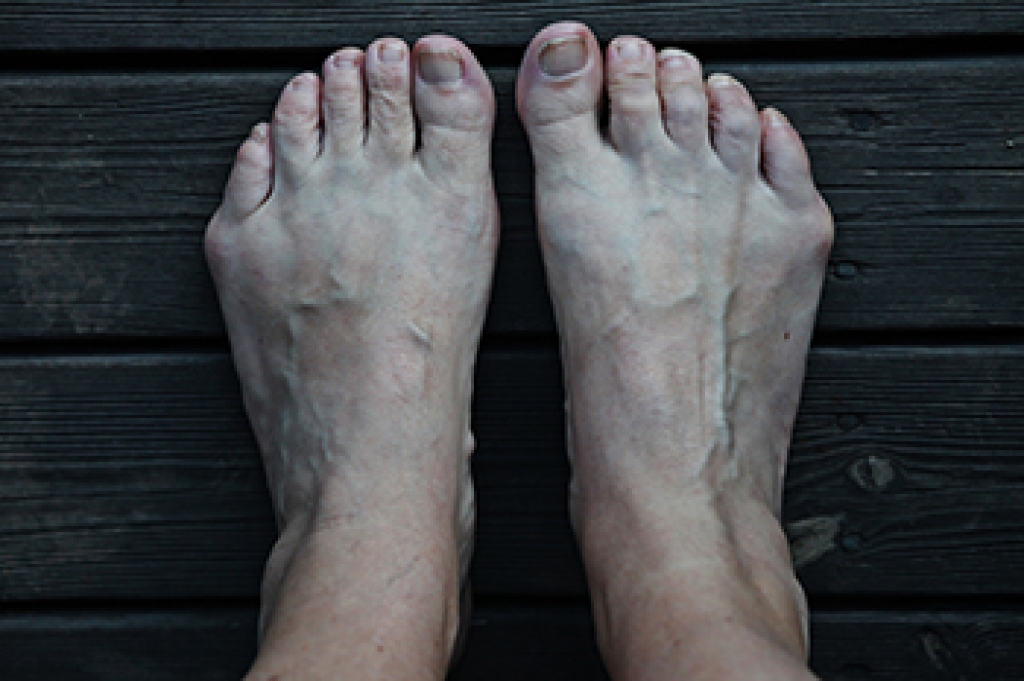
A bunionette is a bony bump on the outside of the foot at the base of the little toe. The bump forms when the fifth metatarsal, the bone behind the little toe, shifts outward or has an unusual shape. The little toe may lean inward. Pressure from shoes can irritate the area and cause redness, swelling, or a painful callus. Some patients feel pain beneath the joint rather than beside it. A podiatrist can determine whether the discomfort comes from a bunionette or another foot problem.

Treatment begins with an examination of the foot. The podiatrist checks the bump, skin, and little-toe joint. Weight-bearing X-rays can show the position and shape of the bones while the patient is standing. These images help the podiatrist select treatment that matches the deformity. Options include padding to reduce rubbing, professional callus care, and custom orthotics to improve pressure distribution. The podiatrist can also recommend shoes with a wide toe box and enough room along the outside of the foot. If swelling is severe, an injection may be considered to reduce inflammation. These measures do not remove the bump, but they can ease pressure and make standing or walking more comfortable.

Surgery can be considered when pain continues despite treatment or when the deformity limits activity. The chosen procedure depends on the location of the bump and the position of the fifth metatarsal. A surgeon may remove excess bone, realign the metatarsal, or correct the little toe. Recovery instructions depend on the procedure and can include protected weight-bearing in a special shoe. Follow-up visits allow the podiatrist to check healing and guide a safe return to regular shoes and activity. Patients should seek prompt care for worsening redness, open skin, or drainage around the bump. If you have a painful bunionette, it is suggested that you schedule an appointment with a podiatrist who can offer effective relief and management solutions.

If you are suffering from bunions, contact Christopher Jones, DPM of Amarillo Podiatry. Our doctor can provide the care you need to keep you pain-free and on your feet.

What Is a Bunion?

A bunion is formed of swollen tissue or an enlargement of boney growth, usually located at the base joint of the toe that connects to the foot. The swelling occurs due to the bones in the big toe shifting inward, which impacts the other toes of the foot. This causes the area around the base of the big toe to become inflamed and painful.

Why Do Bunions Form?

Genetics – Susceptibility to bunions are often hereditary

Stress on the feet – Poorly fitted and uncomfortable footwear that places stress on feet, such as heels, can worsen existing bunions

How Are Bunions Diagnosed?

Podiatrists often perform two tests – blood tests and x-rays – when trying to diagnose bunions, especially in the early stages of development. Blood tests help determine if the foot pain is being caused by something else, such as arthritis, while x-rays provide a clear picture of your bone structure to your provider.

How Are Bunions Treated?

  • Refrain from wearing heels or similar shoes that cause discomfort
  • Select wider shoes that can provide more comfort and reduce pain
  • Anti-inflammatory and pain management drugs
  • Orthotics or foot inserts
  • Surgery

If you have any questions, please feel free to contact our office located in Amarillo, TX . We offer the newest diagnostic and treatment technologies for all your foot care needs.

Read more about What Are Bunions?

Causes of Sharp Big Toe Pain

Big toe pain can make standing and walking difficult. The pain may begin suddenly after an injury or develop gradually. Symptoms include swelling, stiffness, and redness. Some patients feel a dull ache, while others notice sharp or burning pain. Because the big toe carries much of the body's weight, even a small problem can affect balance and movement. Pain that continues or limits activity should not be ignored.

Several problems can cause pain in this area. A bunion forms when the big toe shifts toward the second toe and a bony bump develops at its base. Arthritis can wear down the smooth tissue that protects the joint, leading to pain and reduced motion. Gout causes a sudden attack of intense pain when sharp crystals collect in the joint. Other possible causes include an ingrown toenail, a fracture, or turf toe. Turf toe is a sprain caused when the big toe joint is over-extended. Pressure from wearing tight shoes can also irritate the skin, nail, or joint. The location and timing of the pain provide helpful clues, but different conditions can produce similar symptoms.

A podiatrist can examine the toe, review how the pain started, and check the foot's movement. X-rays or other imaging can reveal a fracture, joint damage, or changes in bone position. Treatment depends on the cause and severity of the problem. A podiatrist may provide padding, recommend better-fitting shoes, or prescribe custom orthotics to improve support. Temporary bracing can protect an injured joint and reduce painful motion. Care for an ingrown toenail can relieve pressure and address infection. Severe joint damage or a deformity may require surgery when other options do not provide relief. Seek prompt care when pain follows an injury or is accompanied by warmth, drainage, or loss of feeling. If you have sharp pain in the big toe, it is suggested that you schedule an appointment with a podiatrist for diagnosis and appropriate treatment.

Toe pain can disrupt your daily activities. If you have any concerns, contact Christopher Jones, DPM of Amarillo Podiatry. Our doctor can provide the care you need to keep you pain-free and on your feet.

What Causes Toe Pain?

Most severe toe pain is caused due to a sports injury, trauma from dropping something heavy on the toe, or bumping into something rigid. Other problems can develop over time for various reasons.

Toe pain can be caused by one or more ailments. The most common include:

  • Trauma
  • Sports injury
  • Wearing shoes that are too tight
  • Arthritis
  • Gout
  • Corns and calluses
  • Hammertoe
  • Bunions
  • Blisters
  • Ingrown toenails
  • Sprains
  • Fractures (broken bones)
  • Dislocations

When to See a Podiatrist

  • Severe pain
  • Persistent pain that lasts more than a week
  • Signs of infection
  • Continued swelling
  • Pain that prevents walking

Diagnosis

In many cases the cause of toe pain is obvious, but in others, a podiatrist may want to use more advanced methods to determine the problem. These can range from simple visual inspections and sensation tests to X-rays and MRI scans. Prior medical history, family medical history, and any recent physical traumatic events will all be taken into consideration for a proper diagnosis.

Treatment

Treatments for toe pain and injuries vary and may include shoe inserts, padding, taping, medicines, injections, and in some cases, surgery. If you believe that you have broken a toe, please see a podiatrist as soon as possible.

If you have any questions please contact our office located in Amarillo, TX . We offer the newest diagnostic and treatment technologies for all your foot and ankle needs.

Read more about Toe Pain
scroll to top